
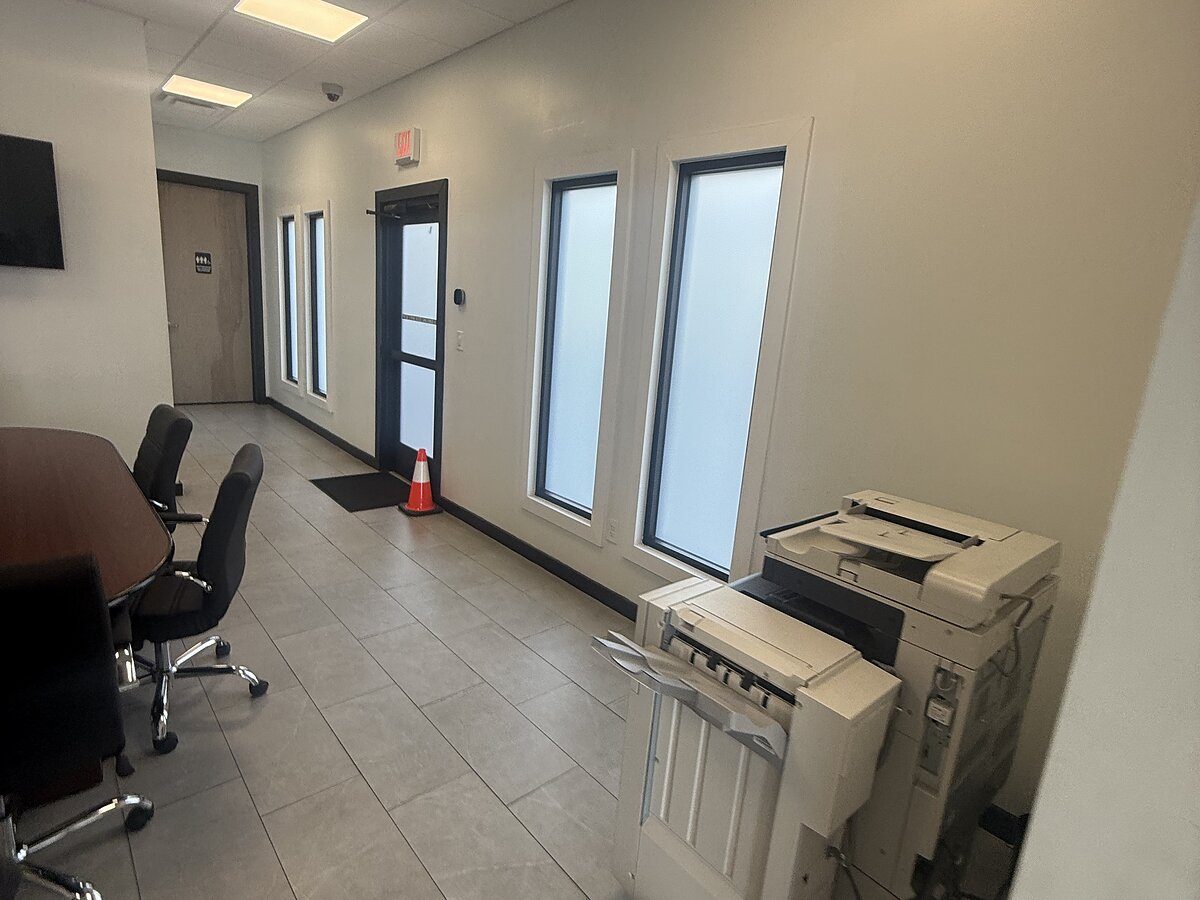
A good multi-tenant scope splits the building into common areas and tenant suites, lists every task with a frequency (nightly, weekly, monthly), and says who supplies paper and soap. Bids priced against the same written scope can be compared. Bids priced against "general office cleaning" can't.
Common areas vs. tenant suites
Most of the confusion in a multi-tenant building comes down to one question: who is responsible for which space. The lobby, corridors, elevators, shared restrooms and trash areas are usually the landlord's to maintain. Tenant suites depend on the lease. Under a full-service lease, suite cleaning is normally included in the rent. Under a net lease, the tenant often hires its own crew.
Check each lease before you write the scope, so the crew isn't cleaning a suite nobody is paying for, or skipping one that is.
| Area | Common starting frequency | What usually gets missed |
|---|---|---|
| Lobby and entry | Nightly | Door glass at hand height, walk-off mats |
| Shared restrooms | Nightly, plus a midday check in busy buildings | Partition tops, floor drains, restocking |
| Corridors and elevators | Nightly vacuum, weekly detail | Elevator door tracks, baseboards |
| Break rooms | Nightly | Inside the microwave, fridge handles, under the sink |
| Tenant suites | Per the lease: nightly, three times a week or weekly | High dusting, trash under desks |
If it isn't written in the scope, plan on it being skipped.
The 4 places tenant complaints start
These are the areas we pay the most attention to on every commercial walkthrough, because they're the ones tenants mention first.
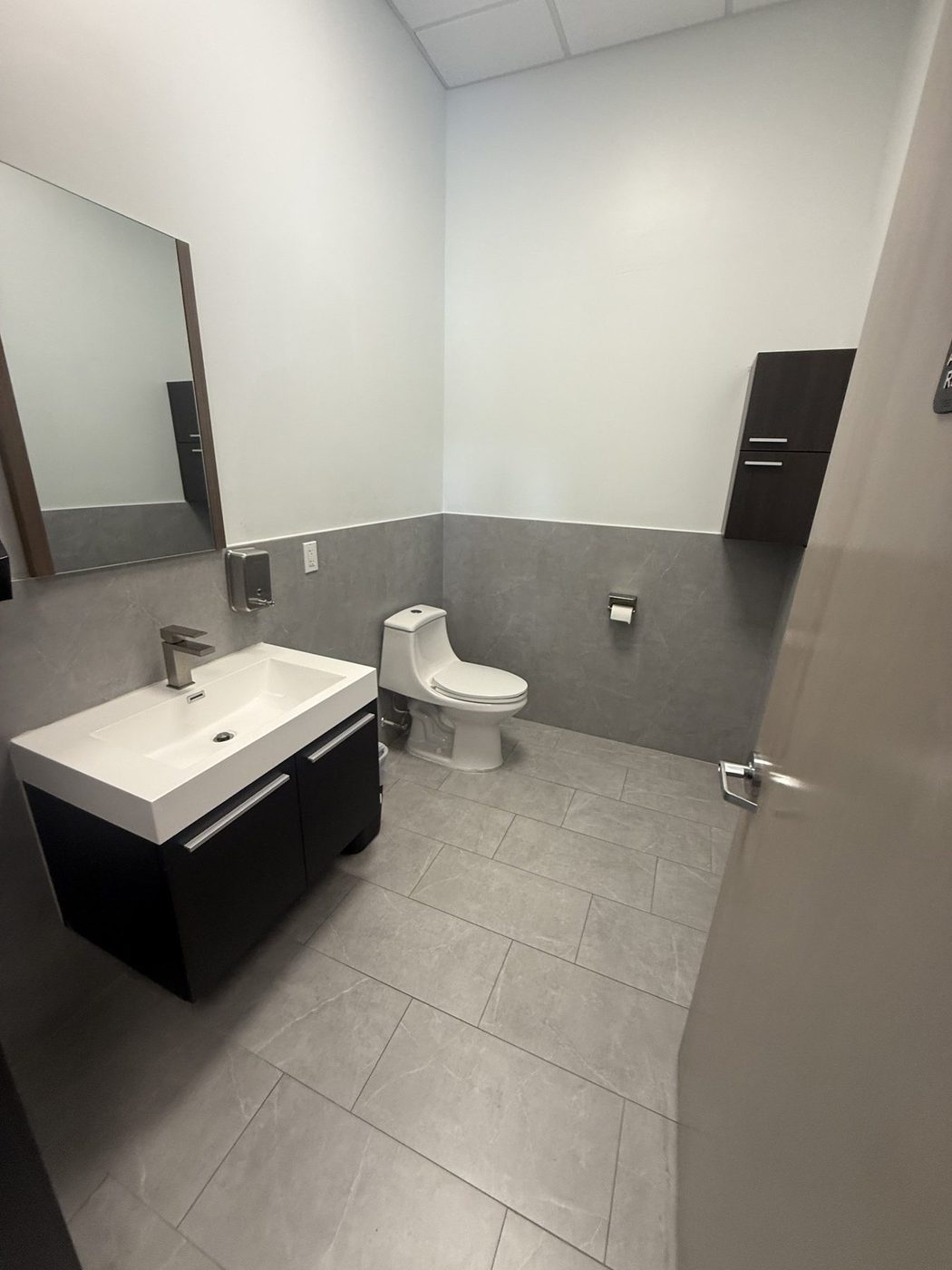
Shared restrooms
Restrooms set the impression of the whole building. In Bradley Company's 2026 survey of 1,020 U.S. adults, 86% said they expect a business's restroom to reflect the quality of everything else it offers, and 73% said a dirty one makes them think twice about returning. It's a consumer poll by a restroom-fixture maker, but your tenants' clients use those same restrooms.
Write in the details: partition tops, floor drains, the base of each toilet, and restocking every dispenser, not just wiping the counters.
Entries, corridors and hard floors
Houston rain gets tracked straight through the front door and down the hallway. Walk-off mats at every entrance catch most of it, but only if they get vacuumed and rotated.
Tile also needs a periodic machine scrub, not just a nightly mop. A mop pushes dirt into the grout lines. A scrubber pulls it back out. Put the scrub frequency in the scope so it doesn't quietly drop off.
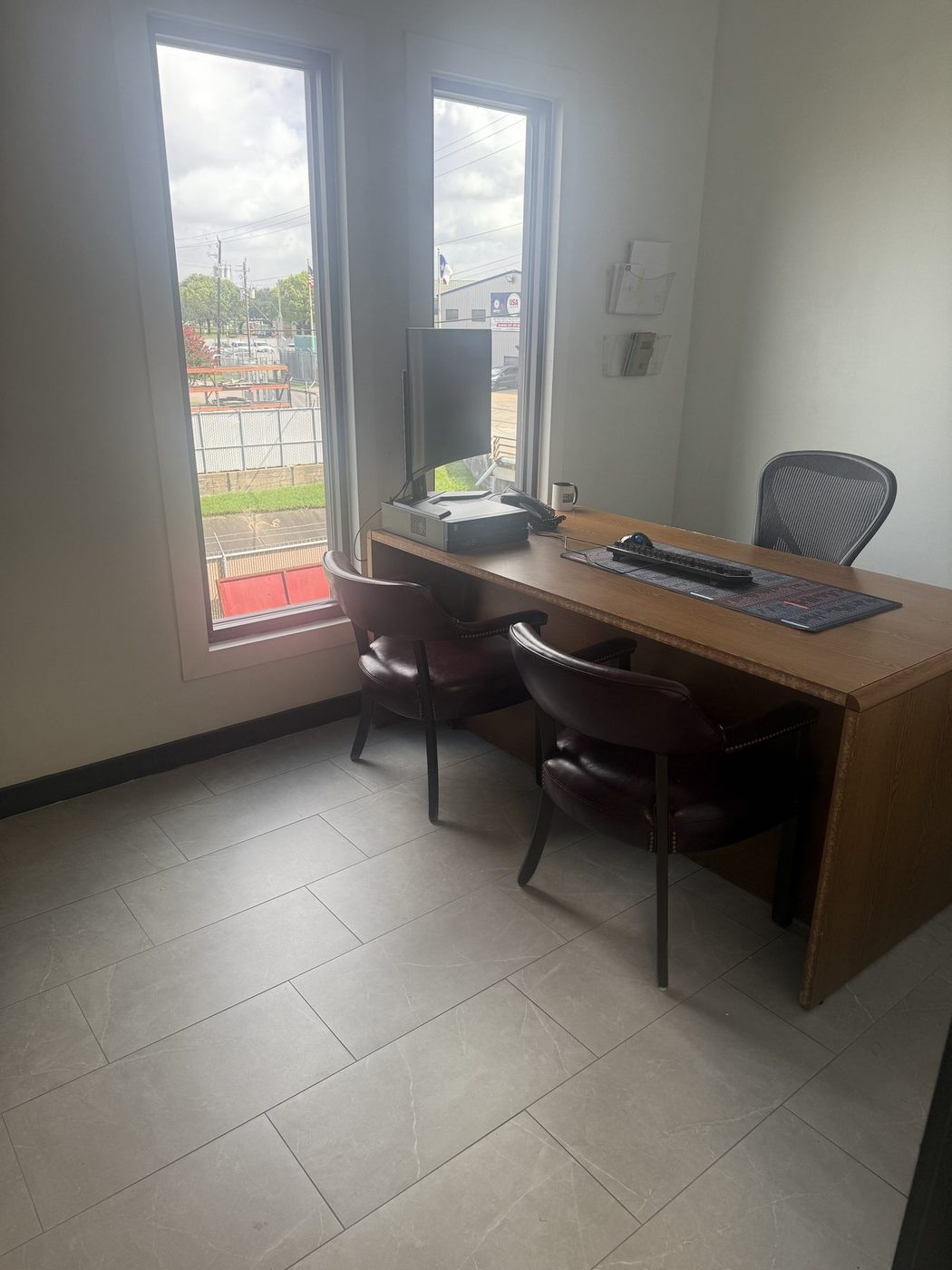
Tenant suites
Spell out what the crew should and shouldn't touch. A common rule is to clean cleared desk surfaces only and never move papers or electronics. Include the trash and recycling under each desk, the conference tables and the glass on interior doors.
If a tenant has special requirements, like a locked records room or a medical suite, write them into a separate line so they don't get lost in the general scope.
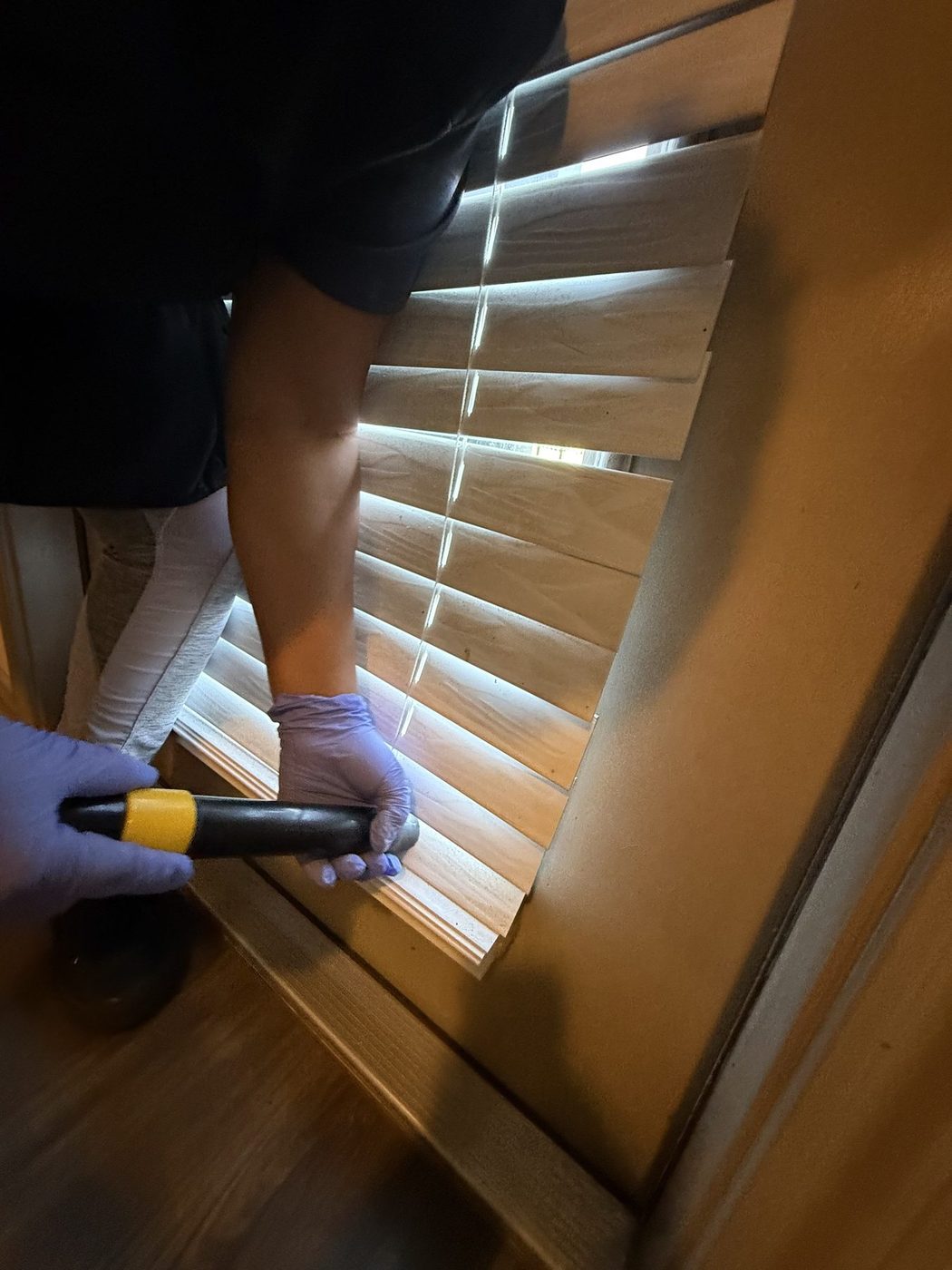
Blinds, vents and high dusting
Nobody notices blinds, air vents, door frames or the tops of cabinets until a tenant walks a prospective client through the space. These belong on a monthly detail list with a date beside each one, so you can see when they were last done.
Night crew, day porter or both?
A night crew handles the full scope after hours, so tenants never see the work being done. A day porter is on site during business hours for restroom checks, spills and the lobby.
Smaller buildings usually only need the nightly clean, with a midday restroom check added if traffic is heavy. Larger buildings with many tenants are where a porter starts to make sense. Start with the nightly scope and add a porter if the complaints show you need one.
How to compare bids
- Send every bidder the same written scope, broken out by area and frequency.
- Require a walkthrough before a price. A company quoting a building it hasn't seen is guessing.
- Ask for a certificate of insurance with your company listed as the certificate holder.
- Confirm who supplies paper, liners and soap, and whether they're included in the price.
- Ask how missed items are reported and how quickly they get fixed.
- Ask who will have your keys and alarm codes, and whether the same crew comes every night.
OSHA's general housekeeping rule for workplaces is a single sentence: they "shall be kept clean to the extent that the nature of the work allows" (29 CFR 1910.141). A written scope is how you show what that looks like in your building.
Questions we get
How often should restrooms in a multi-tenant office be cleaned?
Nightly at a minimum. Buildings with heavy traffic often add a midday check to restock and handle spills.
How is commercial cleaning priced?
After a walkthrough, based on the square footage, the scope and how often the work is done. We don't quote a building we haven't seen.
Can the cleaning happen after business hours?
Yes. Most commercial cleaning is done in the evening or early morning so it never interrupts tenants.
Can you clean individual tenant suites?
Yes. Suites can be included in the building's contract, or a tenant can set up service directly.